About The Oakland Nature PreserveHello and Welcome to The Oakland Nature Preserve
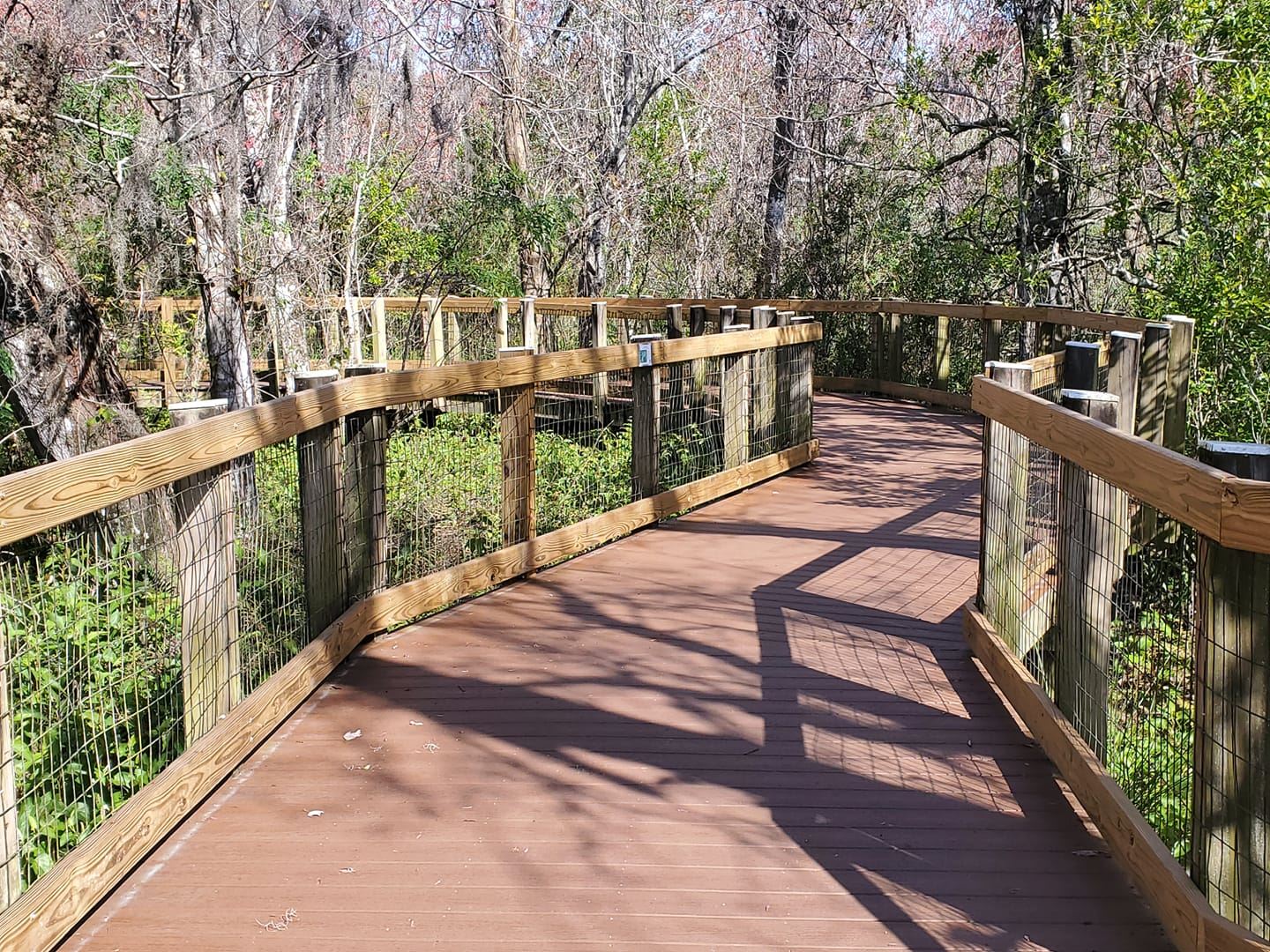
The Oakland Nature Preserve is located in Oakland, Florida and is open 365 days a year. Our beautiful wooden boardwalk, nature trails and visitor center are free and open to all from 8am- Sundown. Admission is FREE but donations are greatly appreciated and allow us to stay open as often as we do. For a guided nature walk or group tour we have a charge of $3.00 per person.
We at the Oakland Nature Preserve seek to inspire children and adults to become stewards of the natural environment. Our museum and classroom are here for the public to utilize as a community resource. Let us provide you with a place to explore and come to understand the history and ecology of Central Florida.
Our History
"Preserving our natural resources of tomorrow through education and restoration today"
By the mid-1990’s, the restoration of the long polluted and endlessly abused Lake Apopka was beginning. The Board of Directors of the Friends of Lake Apopka, the main citizen advocacy group for the lake, realized that long-term citizen support for the restoration process was necessary and also noted that, as the lake was restored, development pressures in the basin would increase. This led to a search to find land on the shoreline where the restoration could be interpreted for the public, providing a window on this process.
The tract they decided upon had frontage on the West Orange Trail and on Lake Apopka. The upland portion of the site had been planted in citrus for many years and then in dense planted pines when the groves froze in 1989. The wetland portion was dominated by wetland tree canopies and was in a natural state, with only the edges invaded by noxious species.
Realizing this project would require considerable funding for purchase and a great deal of work to provide ecologic restoration of disturbed areas, the FOLA group assisted in the formation of a second group, Oakland Nature Preserve, Inc., a 501(c) 3 non-profit corporation. Initial funds were provided by FOLA and the new group began the daunting task of raising additional resources needed to complete the project.
Cooperative landowners of the four tracts refused development offers and waited patiently while the small group of volunteers worked to raise over one-half million dollars. The group was successful in obtaining a grant from the Florida Communities Trust on their first application and completed the purchase in 1999 with funds provided by SJRWMD and DEP from beltway mitigation dollars. The FCT grant required ownership by a local government and an agreement was forged with the Town of Oakland to form a partnership. The arrangement has proved beneficial to both partners.
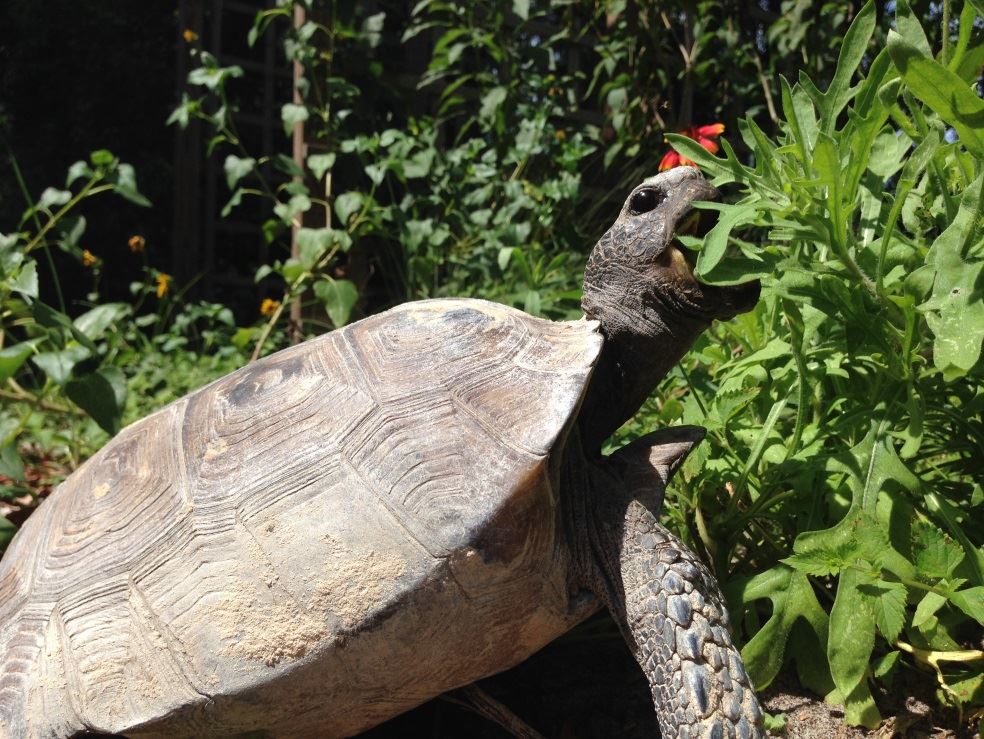
As the hard work of restoring citrus and pine groves back to the original sandhill ecology that existed on site, the group began to realize that they had a much greater story to tell than just Lake Apopka restoration. Ecologic restoration is a fairly new science and on this site one could see on-going changes in the plant and animal communities, some naturally occurring and others introduced by the volunteers. Exotic species were removed; appropriate plant species were planted or came in by natural recruitment. Gopher tortoises were introduced and as the plant community changed, many bird and mammal species began to appear. The decision was made to expand the original plans to make this a significant environmental education center and the following Mission was adopted:
To promote understanding of the fragile balances between mankind and the environment by EDUCATING present and future generations about natural ecosystems of Lake Apopka Basin and by RESTORING and CONSERVING the lands within the Preserve.
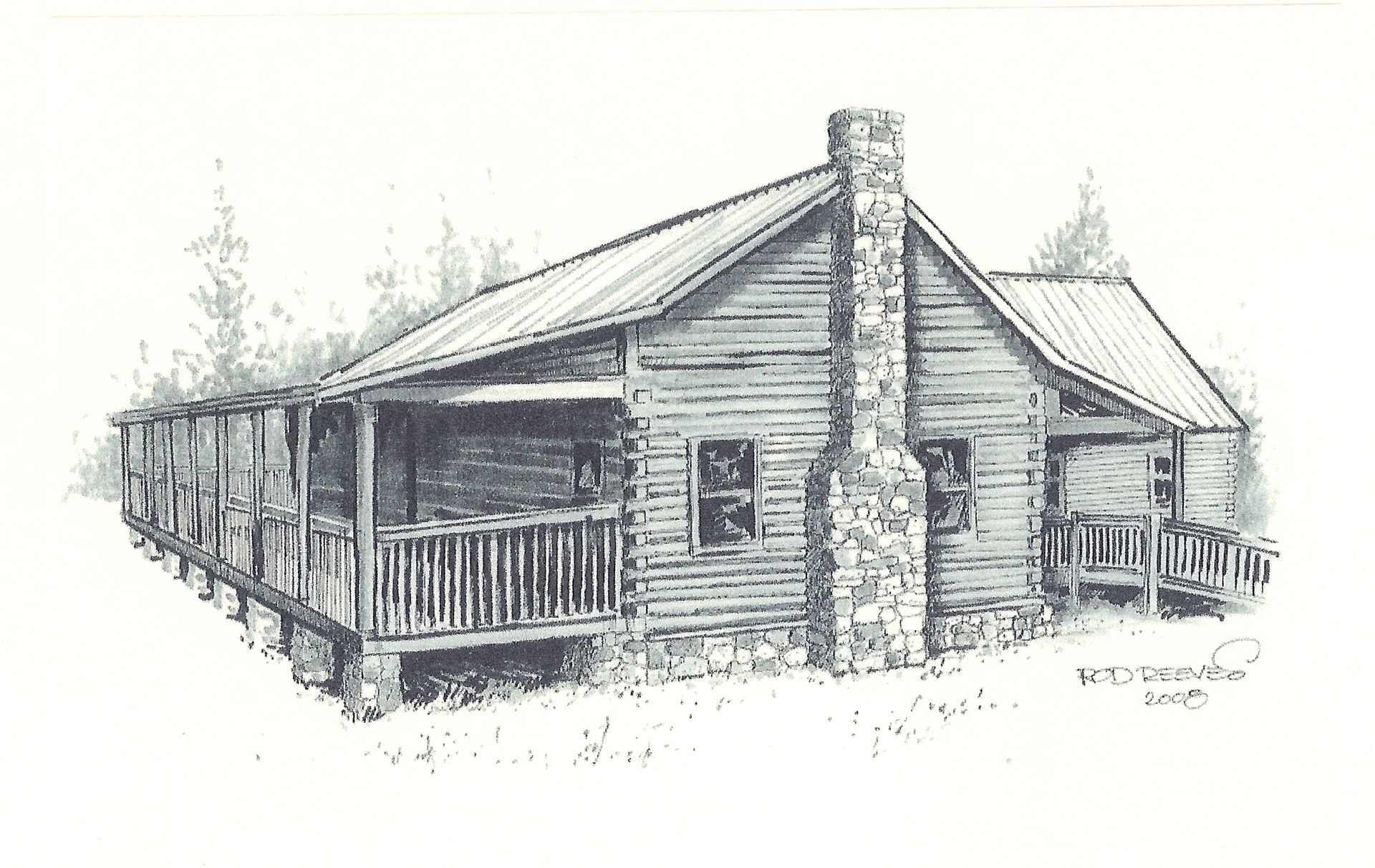
Following this plan, the dedicated volunteers, with great community support, have raised and invested over $3 million dollars in the Preserve, acquired 128 acres of land which includes 48 acres of upland and 80 acres of forested wetland, constructed a boardwalk to the lake that is 2,856 feet long, a dock and classroom-sized pavilion on the lakefront and a second Pavilion on the West Orange Trail. Interpreted trails through the upland help visitors recognize the species there and walking tours are routinely held for school groups as well as recreation groups. With over 15,000 hours from volunteers, development of ONP proceeded, including time from Americorps, scouts, many church groups, and service clubs. An architectural design was completed for an education center, patterned after a pioneer homestead log building that will include a classroom, a museum, office and bathrooms. This building is now completed and will become a very important environmental education center with a main theme based on restoration ecology. The total cost of the building exceeded $650,000 and was made possible through many grants and donations, including SJRWMD, Orange County and help from 10 Rotary Clubs.
Long-term goals have been established that include development of a comprehensive environmental education program for all age groups, more emphasis on the recreational aspects of the project, continuation of the vegetative restoration of wetlands and uplands and development of an endowment fund that will sustain operational costs. .
The Preserve now exhibits diverse biological, geological, and topographical features that are rapidly vanishing in Central Florida. The preserved and natural areas offer a living classroom for learning about the ecology of Florida and the location of the Preserve in a rapidly developing urban area offers many graphic and vivid educational and recreational opportunities as well as being a window on the challenging restoration of Lake Apopka. |