
Habitat Restoration at ONP |
ONP’s conservation program seeks to restore degraded agricultural lands back to sandhill (pre-1800’s era) To date, more than 20 acres of land have been restored to original sandhill habitat. Sandhill ecosystems represent one of the oldest types of native habitats in Florida, and are home to many rare, declining, and endemic species, including the federally endangered gopher tortoises. Gopher tortoises, so named for digging and living in extensive burrows, are known as a “keystone” or umbrella species. Their burrows provide refuge to more than 350 commensal species including burrowing owls, Florida mice, indigo snakes, opossums, rabbits, gopher frogs, eastern diamondback rattlesnakes and gopher crickets. Similar to the role of a keystone in an arch, an ecosystem may experience a dramatic shift if a keystone species is removed. Gopher tortoises are an indicator of the general health of the ecosystem, their presence (and abundance) gives an insight into the surrounding habitat. These elusive reptiles prefer to remain hidden, spending most of their time underground in their burrows, so burrow counts offer data to estimate abundance. Sandhills are an inland habitat type, characterized by rolling hills capped by deep coarse sands. Scientists believe sandhills were formed by ancient oceans that rose and then receded in response to melting and freezing of polar ice caps. Beaches formed wherever the water met the land. Each time a beach formed, dune lines were left behind when the ocean receded. The sandhill pine community, which is one of the most biodiverse ecosystems (Noss, 2012) in the U.S., has experienced extensive loss throughout its range, estimated to be almost 98% (Noss et al. 1995). Even so, today’s remnants are still some of the world’s most biologically diverse ecosystems outside the tropics. Almost 900 endemic plant species are found in these systems, along with 30 of the 290 reptiles and amphibians occurring across the Southeastern U.S. More than 29 species associated with sandhill pine habitats are Federally-listed as threatened or endangered. From 1936 to 1995, Florida experienced a 90 percent decline in longleaf pinelands due to conversion to pine plantations, development, and agriculture (Kautz 1998).
|
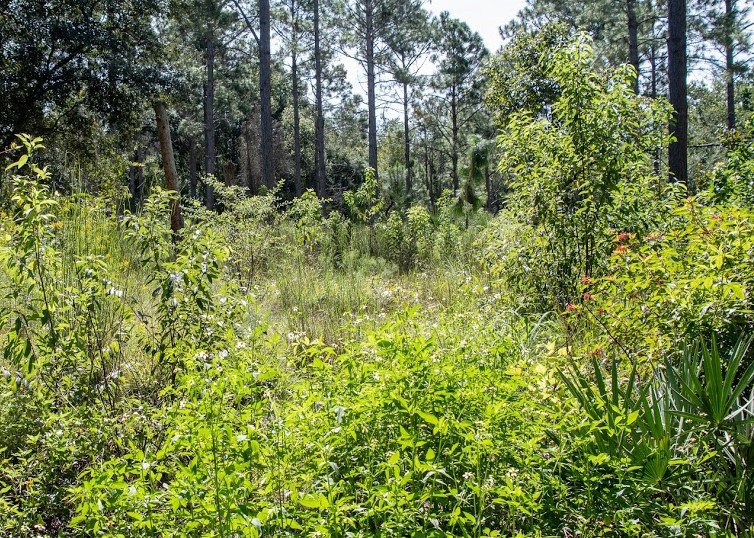 habitat and preserve it in perpetuity. The property had been cleared of native vegetation in the 1800s for citrus and slash pine plantations. The monoculture and over-use of chemical fertilizers resulted in a land with severely reduced diversity. The Preserve
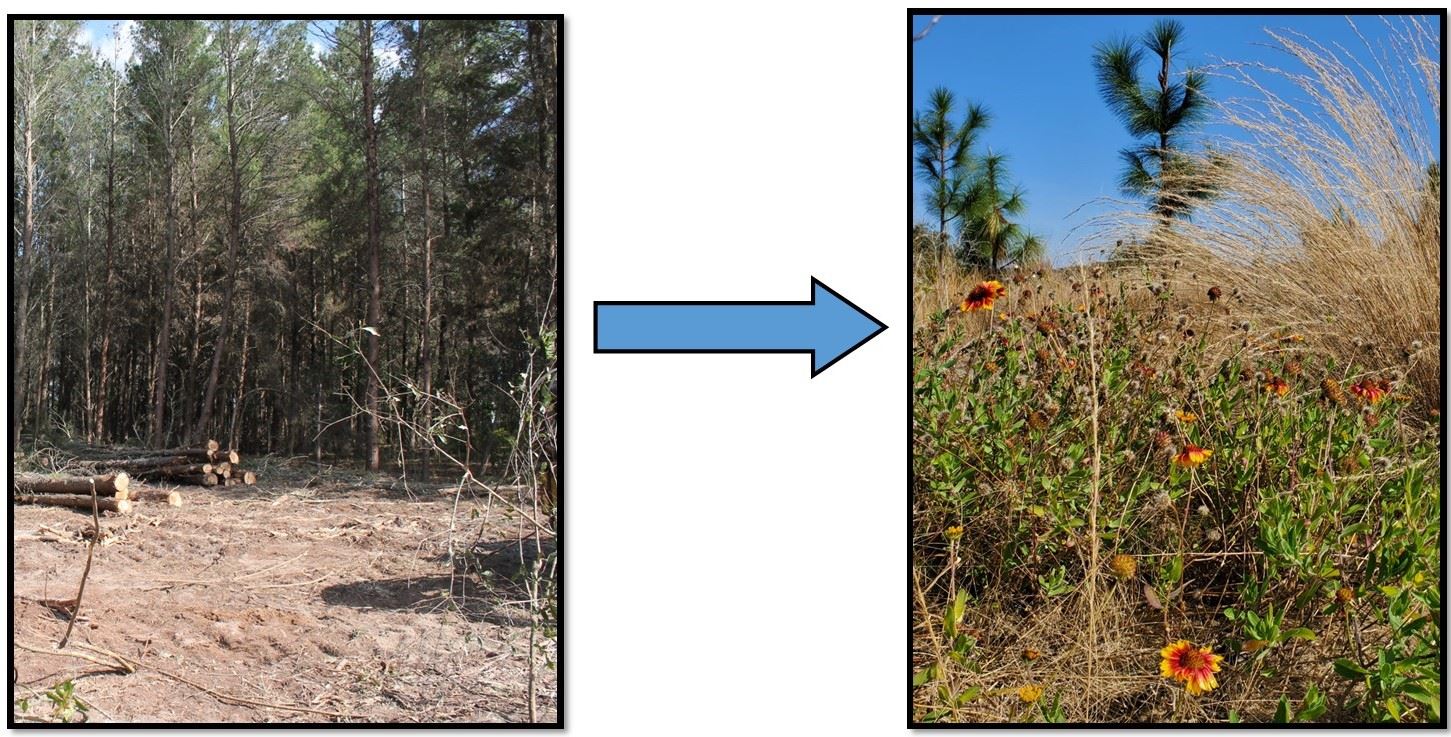
 Since the property was acquired and restoration activities begun, the number of gopher tortoises onsite has increased. It is anticipated that, as restoration efforts are intensified, the property will provide additional habitat for the gopher tortoise and the tortoise population will increase by at least 20%. In restored areas of the Preserve, a dramatic increase in the abundance and diversity of native birds, snakes, other reptiles, and mammals has also been recorded. This increase in diversity is due to ongoing intensified restoration activities, including controlled burns, removal of nuisance and exotic plants, oak canopy thinning, and planting of native plants.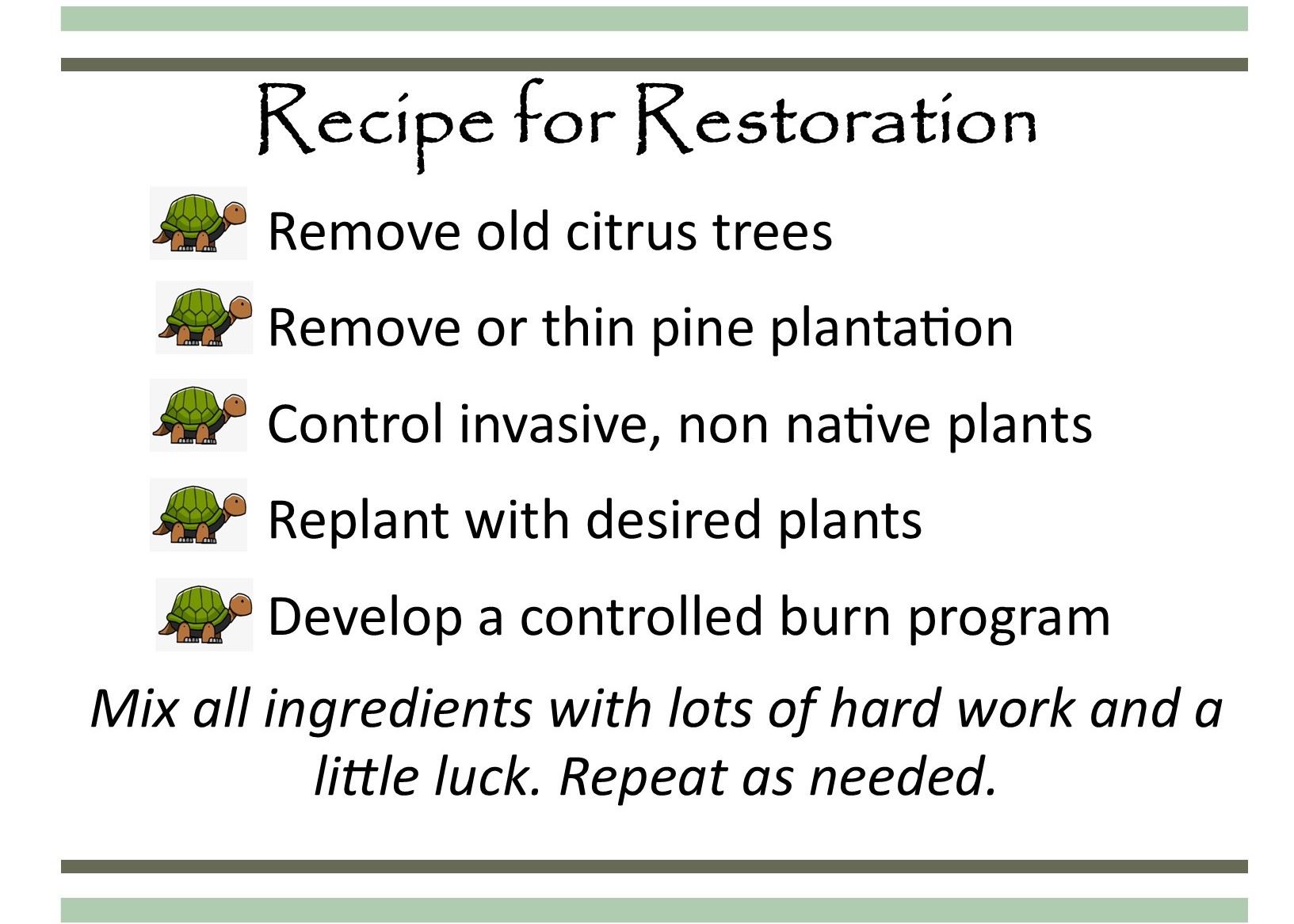
| Address: 747 Machete Trail Oakland, FL 34760 |
 Funding for the acquisition of this site was provided by the Florida Communities Trust using Preservation 2000 funds.
.png)


Florida Department of Agriculture and Consumer Services Registration # CH36841. A COPY OF THE OFFICIAL REGISTRATION AND FINANCIAL INFORMATION MAY BE OBTAINED FROM THE DIVISION OF CONSUMER SERVICES BY CALLING TOLL-FREE (800-435-7352) WITHIN THE STATE. REGISTRATION DOES NOT IMPLY ENDORSEMENT, APPROVAL, OR RECOMMENDATION BY THE STATE.